Digital infrastructure
The Site Is a Power Question
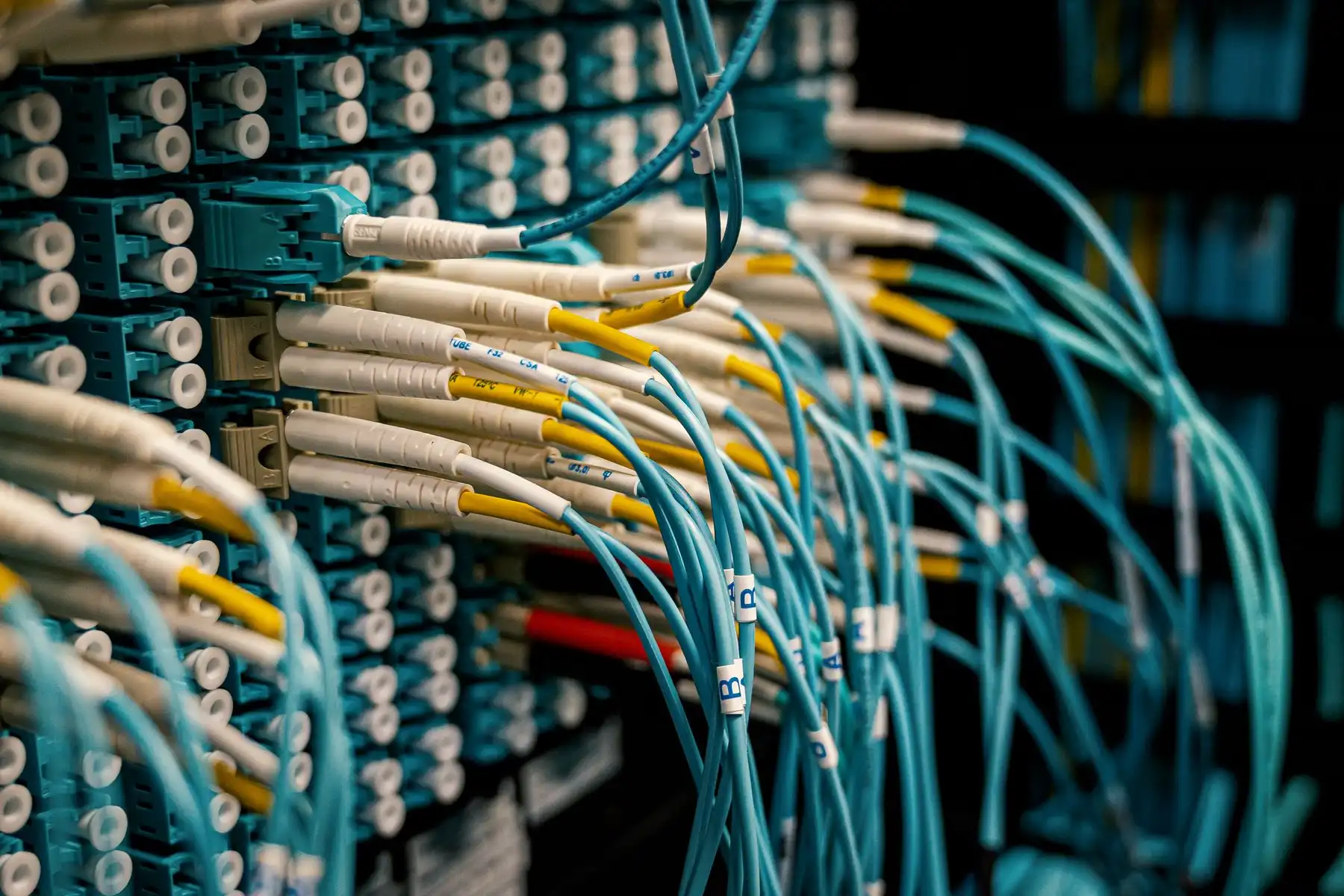
I am co-founder and principal of Turks Capital Partners. We are developing data centers across the country. A data center is a building that does not get to pretend the grid is someone else’s problem.
I have spent my career in real estate: land, leases, the long argument between a purchase and a use that works. The habit that carries over is plain. I do not fall in love with a parcel. I ask what the parcel can be connected to, and on what timetable.
Power access
Power comes first. A site with a handsome price and no credible path to electricity is a land trade, not a data center. Before acreage, I want to know where the transmission is, what a new or expanded substation would actually take, who has already claimed the capacity in front of us, and whether a utility’s queue is a plan or a press release.
I will not publish a megawatt number for a Turks Capital site on this site until that number is real enough to stand on. Capacity is the product. Guessing at it is how this business embarrasses itself. Cooling and water belong to a specific design, and I am not going to flatten them into a slogan that pretends every site is the same machine.
Site selection
Site selection is the same question, widened. Power, then land that can physically hold the building and the yard, then the road that construction and operations will use, then the jurisdiction that will have to live with the noise, the lighting at night, and the tax bill. Some sites are right because the power is close and the land is dull. Dull is a compliment. We are not shopping for a view.
“Across the country” is a description of that task, not a flourish and not a list of cities. No address goes on the data centers page until we are prepared to say it in public. The user of the building does not owe us a coastal zip code. The constraint is where power can be delivered and where a community will accept the building.
AI and hyperscale demand
The demand I am underwriting has two names everyone is already using: hyperscale computing, and AI. Both want more data center capacity than the last cycle of buildings was laid out for, and both are indifferent to a sponsor’s preferred city.
They are not the same shape. A hyperscale requirement, in the abstract, is a long program: phased buildings, a power ramp, a customer who already knows what a data hall is. AI has made the power conversation sharper, because the equipment draws more heavily and the forecasts move. I am not going to dress that up with a market statistic this firm has not published. The practical effect, from the chair I sit in, is that site selection has become a power-and-delivery problem that happens to close on land.
Who does the work
This is why the team is not a real estate team with a new vocabulary. Turks Capital’s data center work includes development experts who have done this before, including former engineers from Oracle and AWS. I want people who have lived inside large computing environments and will argue with a site plan. I am not naming them individually here.
Their former employers are part of their experience. Oracle and Amazon Web Services are not partners in these projects, and nothing on this page should be read as their endorsement.
What I do not hand off is the land, the entitlement, and the conversation with the place. That is still the real estate work. A data center that is engineered carefully and entitled carelessly does not get built. A data center that is entitled quickly and cannot be powered is a shell.
When there is a site we will name, a capacity we will state, or a customer or partner we will identify, it will go on the data centers page, in plain language, with a source. Until then I would rather describe the order of operations.
Power. Then the parcel. Then the building. Then the name.
Perspective by Adam Craig Hochfelder, co-founder and principal of Turks Capital Partners. This is not investment advice, and it does not announce a transaction.